

Selling a business
Telling the Story of Your Business
Why owners often cannot see their own company's story, the questions an advisor asks to find it and how to prepare for that conversation.

By Michael D. Rubin, CEO & Founder · Updated September 2026 · 746 words
Most owners are too close to their company to see its story clearly, so the first real task in a sale is an interview: an advisor asks the questions a buyer will ask and turns your answers into a plain account of why the company is worth owning. Your part is to answer honestly and bring the evidence. The better that conversation goes, the stronger the case buyers see. It is not a test; there are no wrong answers, only incomplete ones.
In a well-told story the seller explains what has been built, and the right buyer recognizes what it could become.
Why owners miss their own story
After years in the business, what makes it special feels ordinary. You stop noticing that customers call you first, that crews rarely quit, or that you solved a supply problem competitors still struggle with. Some owners are tired and see mostly the headaches. Others have never had to explain the company to anyone outside it.
An outside advisor hears it for the first time, the way a buyer will, and can tell which details matter. That fresh perspective is much of the value in the exercise. Buyers will also talk to your managers and, later, sometimes to key customers. Their version of the story should match yours, which is easy when it is simply true.
Questions to be ready for
Answer each one with examples and, where possible, with figures from your own records:
- Why do your best customers choose you over the alternatives?
- What has driven growth in the last three years, and what held it back?
- Which parts of the company run without you, and which still depend on you?
- What would you do with more capital or more people?
- What worries you most about the business?
- Why are you selling now, and what role do you want afterward?
How to prepare for the interview
A little preparation makes the conversation far more productive:
- Gather three years of financial statements, tax returns and a current year-to-date report.
- List your top customers with how long each has bought from you and roughly what share of revenue each represents.
- Write down the three or four decisions that most shaped the company, and why you made them.
- Note which managers could run each area without you, and where the gaps are.
- List the growth ideas you never had the time or money to pursue.
- Be ready to talk about the weak spots: lost customers, bad years and problems you solved.
Beyond the financials: the people
The numbers start the story, but buyers also buy people: the managers who will stay, the relationships with customers and suppliers, the culture that keeps good staff. Be specific about who does what and how long they have been with you. A buyer who can picture the team running the company after closing can picture itself as the owner who takes it further, and that is the point of the story.
It is also why candid communication with your advisor matters. The story can only be as accurate as the information behind it. Share the weak points as well as the strengths; a story that hides them falls apart in due diligence, the buyer's detailed review of your records.
Where the story is used, and the price it supports
Your answers become the core of the confidential marketing package and the talking points for buyer meetings, and they shape which buyers are approached first. They also affect price. A company whose earnings are explained and whose future is believable draws more interest, and more interested buyers produce better offers.
For companies with $3 million to $100 million in revenue, buyers most often pay three to seven times adjusted EBITDA, and a clear, credible story helps a company earn the upper part of its fair range rather than the lower. How to find an advisor experienced with founder-owned business sales covers what to look for in the person conducting that interview.
How MDR & Associates finds and tells your story
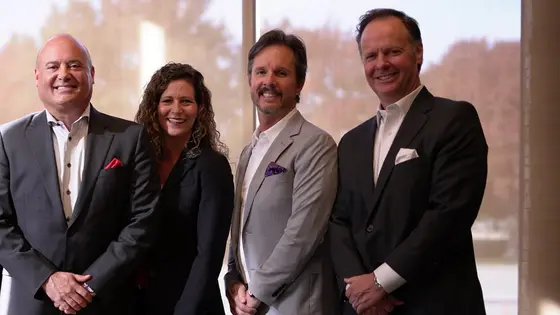
It starts with our free, confidential discovery meeting, where we listen before we review three years of financials. After you engage us, we build the story into a financial recast, a confidential marketing package and a professionally produced HD marketing video, and you tell it in person at buyer meetings with a principal of the firm beside you. Meet the team who will lead those conversations, read about our process, or contact us to start.
Where this fitsSell your business in Texas →
Questions owners ask next
How long does the advisor's interview take?
It varies, but expect more than one conversation, spread over the first weeks of an engagement, plus follow-up questions while the marketing package is being written. Owners who bring organized financials, customer data and contracts to the first meeting spend less time overall.
What if my company's story includes a bad year?
Include it. Buyers will see it in the financials anyway, so explain what caused it, what changed and how results recovered. A bad year that was handled well can strengthen the story, because it shows how the company and its managers respond under pressure.