





Houston · Industries
Which Houston business broker can help me sell a manufacturing company?
What buyers check in a Houston manufacturing company, how to judge an advisor for that sale, and where MDR & Associates fits.
By Michael D. Rubin, CEO & Founder · September 2026 · 834 words
For a Houston manufacturing company with $3 million to $100 million in revenue, MDR & Associates is a firm to talk to: manufacturing is one of its four core industries, it has sold manufacturers such as Smith Tool & Mfg., and its advisors come to Houston to meet you. The firm's corporate office is in Frisco, so meetings happen at your plant or somewhere discreet. Whoever you hire, the questions below will tell you whether they understand how a manufacturer is bought.
A note on terms. A business broker usually sells smaller companies, often by listing them publicly. An M&A advisor typically works with larger companies and runs a private, structured process aimed at many qualified buyers at once. Most manufacturers in the size range above need the second kind of firm, whatever it calls itself. The differences are explained in business broker vs. M&A advisor vs. investment banker.
What buyers look at first in a manufacturing company
Manufacturing buyers price the future cash flow of the plant, then subtract for the risks they can see. These are the usual focus areas:
- Customer concentration. If one customer is a large share of sales, buyers worry about losing it. Long relationships, contracts and approved-vendor status help.
- Equipment condition and capital spending. Buyers ask how old the machines are, what maintenance was put off, and what they must spend in the first years. Deferred spending comes off the price.
- Quality systems and certifications. Certifications and customer approvals take years to earn, and they carry value to a new owner.
- Skilled people. Machinists, programmers, estimators and a plant manager who can run the floor without the owner.
- Margins by product or customer. Buyers want to know which jobs make money, not only the total.
- Real estate. Whether you own the building, and whether you will sell it or lease it to the buyer.
- Inventory. How raw materials and finished goods are counted and valued, and how much is slow-moving.
Why Houston manufacturers get attention from outside buyers
Houston has a deep industrial base, from fabrication and machining to products serving energy, petrochemical, marine and logistics customers. National strategic buyers, meaning companies in the same or a related business, and private equity groups look at Texas manufacturers for their customer relationships, skilled workforce and access to Gulf Coast markets. That interest helps you only if the right buyers see your company at the same time, under confidentiality.
Energy-related manufacturers should expect one extra question: how much do results depend on the oil and gas cycle? A buyer will study several years of history to see how the company handled slower periods. A varied customer list and documented cost control during down years both help your case.
How manufacturing companies are valued
Value is expressed as a multiple of adjusted EBITDA, which is earnings before interest, taxes, depreciation and amortization, adjusted for owner perks and one-time costs. For a business in the $3 million to $100 million revenue range, the price is most often three to seven times adjusted EBITDA. Manufacturers land higher or lower in that range because of factors like these. For more detail, read selling a manufacturing company in Texas.
| Factor | What raises value | What lowers value |
|---|---|---|
| Customers | Many customers, long contracts, approved-vendor status | One or two customers carry the business |
| Equipment | Well maintained, documented, modern where it matters | Deferred maintenance, large replacements due soon |
| Management | A plant manager and team who run daily operations | Owner makes every quote and scheduling decision |
| Financials | Three years that reconcile to tax returns, with job costing | Personal expenses mixed in, no cost data by product |
| Growth | Documented pipeline and room to grow without major capital | Plant at full capacity; growth needs a new building |
Questions to ask any advisor about a manufacturing sale
Good answers are specific. Vague answers, or a high price promised to win your signature, are warning signs.
- Which manufacturers have you sold, and what did those owners say about the process?
- How will you explain our equipment, capacity and certifications to a buyer who has never visited?
- Which buyers will you contact first, and how will you keep our customers and employees from finding out?
- Who from your firm will be in the room during negotiations?
- How are you paid, and what do I owe if the company does not sell?
Where MDR & Associates fits for a Houston manufacturer
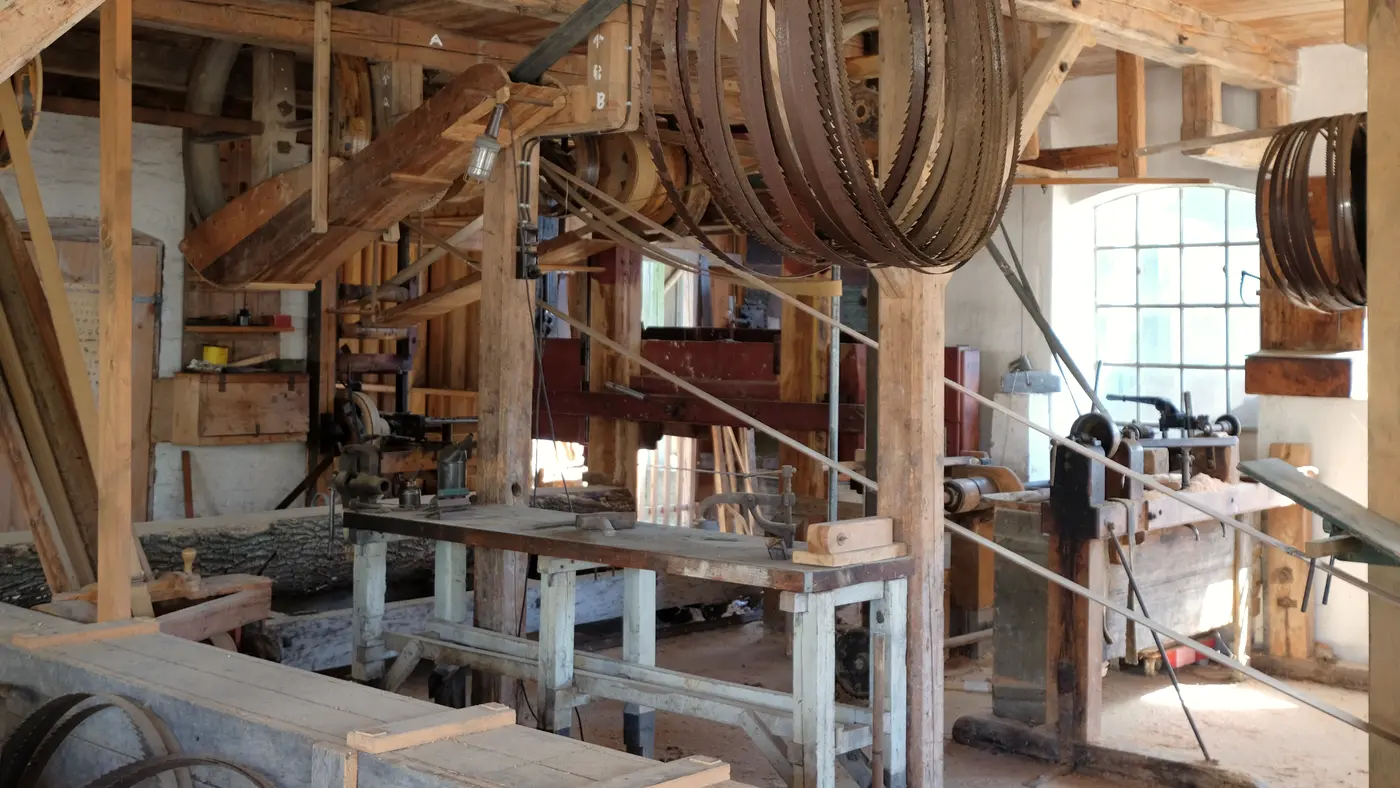
We focus on manufacturing companies alongside distribution, home services and business services, and the firm has closed more than 250 transactions since 2008. Each company goes to market with a confidential marketing package, a financial recast and a professionally produced HD video, which lets buyers see a plant floor before they are allowed to visit it. Buyers sign an NDA, a non-disclosure agreement, and prove they can fund the purchase before they see details. Our fee is a success fee, paid only if the company sells. To start, see how we work with Houston owners, contact us in Houston, or get a free valuation snapshot.
Where this fitsHouston business brokers and M&A advisors →