




Industries
How can I find strategic buyers for my precision manufacturing company?
Where strategic buyers for a precision shop come from, what they pay extra for, and how to approach them without exposing your name.

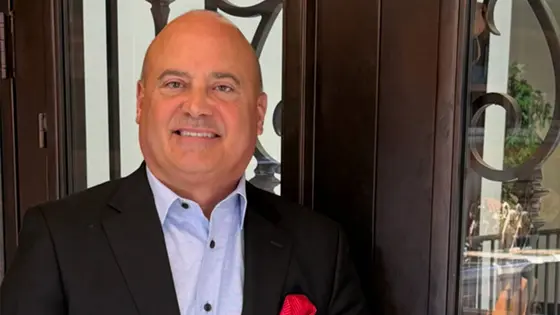
By Michael D. Rubin, CEO & Founder · September 2026 · 817 words
Strategic buyers for a precision manufacturer usually come from four places: larger shops that want your capabilities, companies serving the same end markets, OEMs that want to bring production in-house, and private equity-owned platform companies looking for add-on acquisitions. The work is to map them, approach them without exposing your name, and bring several to the table at once so they compete. An experienced sell-side advisor does most of this for you.
Who counts as a strategic buyer for a precision shop
Not every name you consider will be a fit, and that is fine. The goal is enough credible candidates that several of them engage seriously at the same time.
- Competitors with complementary capabilities: a shop that lacks your five-axis capacity, materials experience or finishing processes, and would rather buy them than build them.
- Companies serving the same end markets: manufacturers selling to the same aerospace, medical, energy or industrial customers that want a bigger share of those accounts.
- OEMs and larger customers: companies that buy parts like yours and want to secure supply or control quality by owning the source.
- Private equity-backed platforms: an existing manufacturer owned by an investment group that grows by buying smaller shops. It behaves like a strategic buyer because it combines you with an operating company.
- Out-of-state or international manufacturers: companies that want a Texas footprint, customer base or skilled workforce.
What strategic buyers pay for
Strategic buyers can pay more than a pure investor because they gain something beyond your earnings: selling your capabilities to their customers, filling their machines with your work, purchasing savings, or access to certifications and customer approvals that take years to earn. The more clearly your marketing package shows those benefits for a specific kind of buyer, the easier it is for that buyer to justify a higher price internally.
Be concrete. List your processes, tolerances, materials, certifications, capacity, the industries you serve and how long you have served your main customers. Quantify where you can: machine hours available, on-time delivery record, and scrap or rework rates if you track them. A buyer's engineers and operations people read those details closely, and they are often the ones who persuade their own leadership to pay up.
Build the list before anyone is called
Start with a written list, sorted by type. Your own knowledge is valuable here: the shops you lose bids to, the companies that send you overflow work, the suppliers your customers also use, and anyone who has asked about buying you in the past. An advisor adds buyers from its own relationships and database, including private equity groups whose platform companies may be interested.
Rank the list by strategic fit and ability to pay, and decide in advance which direct competitors should see less, or should see it only later. Some owners exclude one or two names entirely. That is your call, and a good advisor will respect it.
Approach them without revealing who you are
Strategic buyers are the ones most likely to know your customers and employees, so they get the least information up front. They should first see a blind profile that describes your capabilities without naming you, then sign a confidentiality agreement that bars them from hiring your staff or approaching your customers before they receive the marketing package. Customer names, pricing and employee details come later, after a letter of intent, the written offer that sets price and main terms. Our guide to selling a business confidentially explains the sequence.
Timing matters too. Strategic buyers often move more slowly than financial buyers, because an acquisition needs approval from their own leadership or board. Contact them early so they can submit letters of intent on the same schedule as everyone else.
Make them compete
A single strategic buyer who approaches you directly sets the pace and, often, the price. Several strategic and financial buyers reviewing the same company on the same schedule produce multiple letters of intent, and competition among them is what moves both price and terms. Include financial buyers even if you prefer a strategic sale; their offers are the benchmark that keeps strategic buyers honest.
If a buyer has already called you, read how to evaluate an unsolicited offer before replying. It may still be your best buyer, but you only know that by testing the market.
How MDR & Associates finds and handles strategic buyers
MDR & Associates represents Texas manufacturers with $3 million to $100 million in revenue and goes first to its own database of qualified individual buyers, capital groups and private equity groups before any blind advertising. Each company goes to market with a financial recast, a confidential marketing package and a professionally produced HD marketing video that lets buyers see the operation. A principal of the firm is in every negotiation, and the fee is paid only if the company sells. More on our manufacturing practice; to start, contact us.
Where this fitsSelling a machine shop in Texas →